
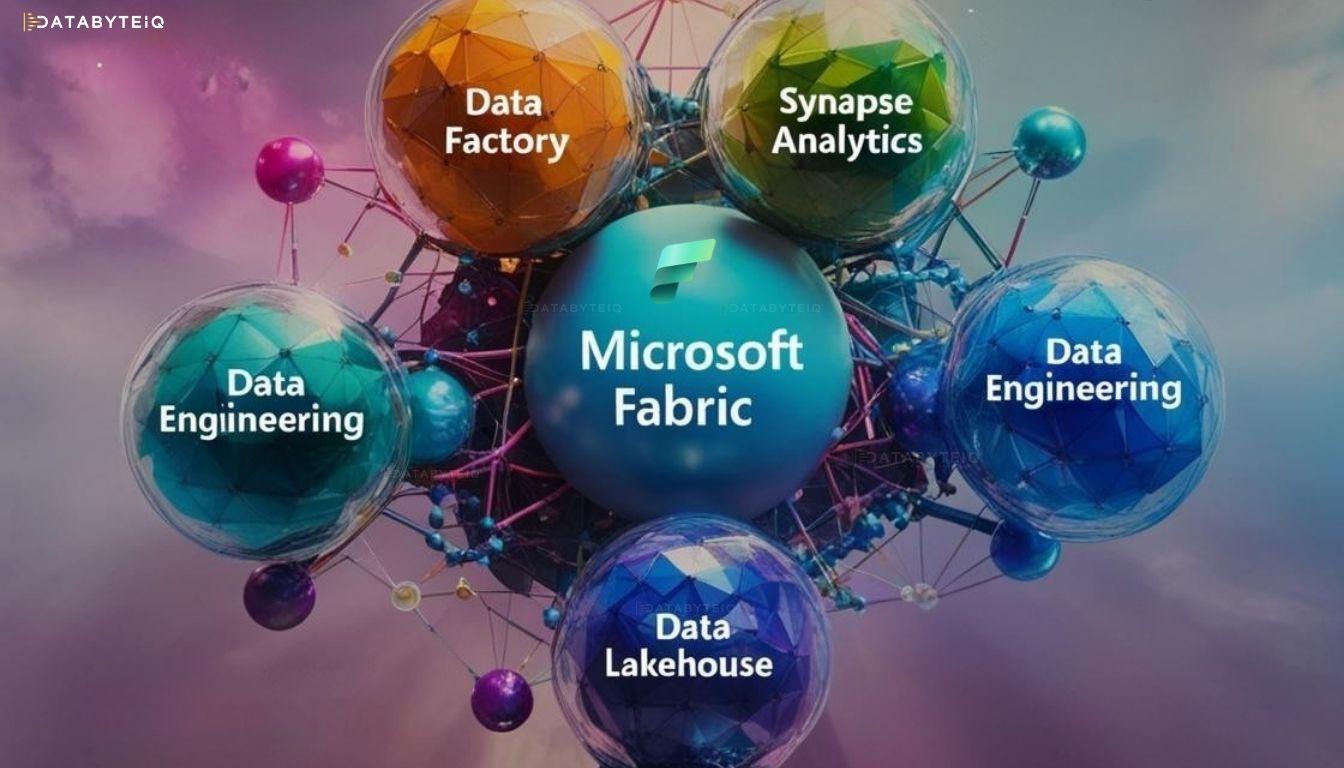
Microsoft Fabric is transforming the enterprise data landscape with a unified, scalable, and future-ready platform. In 2025, understanding its key features is not just a competitive advantage—it’s a business necessity. This article highlights the five most powerful features of Microsoft Fabric that every organization should explore.
🔗 Also read: Complete Guide to Microsoft Fabric Implementation for a deeper look into the adoption journey.
1. OneLake: The Unified Data Lake
OneLake is the core of the Microsoft Fabric architecture. It offers a unified data storage solution that eliminates silos and enables centralized access to information across the organization. Companies leveraging OneLake can standardize real-time data consumption, reduce redundancies, and accelerate insights.
Key benefits:
- A single, enterprise-wide data repository
- Native support for open formats such as Delta and Parquet
- Full integration with Power BI, Spark, SQL, and other engines
2. Power BI Natively Integrated with Fabric
Power BI within Fabric goes beyond visualization—it’s a native part of the platform. Its direct integration with OneLake and the data engineering environment allows analysts to build real-time dashboards with trusted, up-to-date data.
Key benefits:
- Real-time updates without external pipelines
- Interactive dashboards and reports connected to unified sources
- Enhanced governance and security for corporate reporting
3. Reimagined Data Factory
The new Data Factory in Microsoft Fabric merges the simplicity of Power Query with the power of robust data pipelines. It enables both technical and business users to extract, transform, and load data efficiently and intuitively.
Key benefits:
- Modern visual interface for building ETL/ELT workflows
- Native connectors to hundreds of data sources
- Reuse of Power BI transformations directly within data flows
4. Synapse Data Engineering and Data Warehousing
Microsoft Fabric introduces enhanced versions of Azure Synapse services, integrating Spark-based data engineering and SQL-based data warehousing into a single platform. This results in faster execution, improved productivity, and greater control over the data lifecycle.
Key benefits:
- Development of Spark notebooks in a secure and scalable environment
- SQL Analytics for building high-performance relational models
- Easy data sharing across teams with access control
5. Governance and Security with Purview
Integration with Microsoft Purview ensures robust data governance and security across Fabric. Organizations can track, classify, and protect data automatically, aligning with regulations such as GDPR and LGPD.
Key benefits:
- Automated, accessible data catalog
- Full data lineage tracking and audit logs
- Advanced access policy enforcement with granular control
🔗 Also read: The Predictive Analytics Revolution with Microsoft Fabric to learn how these features drive innovation in business.
Conclusion
Mastering the core features of Microsoft Fabric empowers your organization to unlock the platform’s full potential. By leveraging OneLake, integrated Power BI, the evolved Data Factory, integrated Synapse services, and Purview-driven governance, you’ll gain a competitive edge through smarter data usage.
For a complete view of the adoption journey, explore our Complete Guide to Microsoft Fabric Implementation. And to discover how these features support business transformation, check out our article on Predictive Analytics with Microsoft Fabric.


